Kickstarter for Video Games: Setting the Goal, the Timeline and the Rewards
November 9, 2026
Steam Early Access: The Rules, the Refund Policy and When It Fits Your Game
Steam Early Access lets you sell an unfinished game, under rules Valve does not bend: the game must be playable on the day it goes on sale, you may not make specific promises about the future, and once you release version 1.0 you can never go back to Early Access. Players can refund any game within two weeks of purchase if they played less than two hours, and Early Access playtime counts toward that limit. Below are the rules from Steamworks, what your store page has to answer, how pricing and release work, and when Early Access fits a game.
Valve’s seven Early Access rules

From the Steamworks Early Access documentation
- If you sell keys on other sites, include the Early Access branding, the current state of the game, a link to the Early Access FAQ and a copy of your Early Access answers.
- Do not make specific promises about future events: no dates, no guaranteed features.
- Do not sell the game anywhere else earlier than on Steam.
- Do not charge more on Steam than on any other store or website.
- Tell players up front about known problems, such as a planned save wipe.
- Do not launch without a playable game. At minimum, the store page needs a gameplay trailer.
- Do not launch in Early Access if development is finished and you only need final testing.
Valve also lists what Early Access is not: crowdfunding, a pre-purchase or Advance Access. Source: Steamworks Early Access documentation.
The six questions on your store page
Turning Early Access on means answering a questionnaire that Steam shows on the store page, and Valve reviews the page and the answers before release. The questions are: why Early Access, how long you expect to stay in it, how the full version will differ, what state the game is in now, whether the price will change, and how you plan to involve the community. Valve asks for specific answers and suggests refreshing them every few weeks or months.
The length question is where vague answers show. Valve asks for a target range, or an explanation of why you cannot give one. Here is how three games on IndiePump.space answered it on their Steam pages when we checked on 20 October 2026:
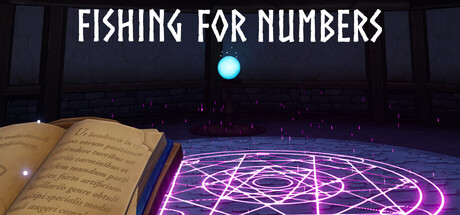
- Fishing for Numbers, in Early Access since 2 February 2026: the current goal is the full version by December 2026, and the studio says that timeline may change.
- Pirate Twist, since 15 July 2026: about 6 to 12 months, and the studio writes that it would rather delay 1.0 than ship it unready.
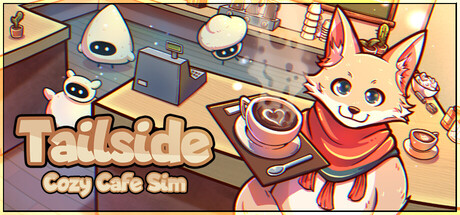
- Tailside: Cozy Cafe Sim, since 21 January 2026: “about one year”, with the page now showing a date of 25 November 2026 for leaving Early Access.
Each one gives a range or a target it is willing to move, plus a list of what 1.0 adds, which is the shape Valve asks for.
Pricing, updates and leaving Early Access
Pricing
- You may not run a permanent discount during Early Access. If you want a lower Early Access price, set a lower base price.
- No discount, including a launch discount, within 30 days of a price increase.
- After release, wait at least 30 days before changing the price again or discounting.
- Raising the price within 30 days of leaving Early Access cancels your launch discount.
Keeping the page alive
Valve asks you to revisit the store page at least once a year and to set a 1.0 date or timeframe. Steam adds a notice to the page if more than 12 months pass without a new build on the default branch, or without an update event such as patch notes.
Releasing 1.0
Leave when the game is feature complete and no longer changing much. You publish the updated build and release from “View Release Options”, which updates the release date, removes the Early Access branding and applies any launch discount, and Steam emails everyone who has the game wishlisted. Valve notes that an Early Access game does not get full launch visibility until that release, so 1.0 is a second launch you should market as one. The Bell Echoes, also on IndiePump.space, went from Early Access on 5 February 2026 to its full release on 27 September 2026.
Refunds, from Steam’s refund policy
Your first two hours carry the sale
- Steam refunds a game requested within two weeks of purchase with less than two hours played.
- For a game bought in Early Access, any playtime counts against the two-hour limit.
- In-game purchases in games not made by Valve are not refundable through Steam.
- Valve may stop refunding players who abuse the policy.
Source: Steam Refunds. In practice, the first two hours of your Early Access build decide whether a purchase stays a purchase.
When Early Access fits, and when it does not
This part is our view. Early Access suits games that get better with player feedback and can show it in regular updates: roguelites, simulations, survival and multiplayer games, where balance and content grow with the community. It suits a studio that can keep shipping on the money it already has, since Valve itself says not to count on Early Access to fund development.
It fits badly when the game is a linear story, where the first playthrough is the product, or when development is nearly done, which breaks rule seven. A team that cannot update for a year will also collect Steam’s notice on its page. There is no way back either: a released game cannot return to Early Access or to Coming Soon, so for testing before or after launch Valve points to a Steam Playtest. For a free taste of the game instead, see our Steam demo guide.
One more point if you plan to apply for EU money: the Creative Europe video games call does not accept a game still in Early Access as proof of your track record. Our article on indie game grants in Europe explains that rule.
Fishing for Numbers, Ghoul Fright and Tailside are all in Early Access on Steam now, and creators can request a key from each press kit.
Early Access games on IndiePump.space

How IndiePump can help with Early Access
An Early Access launch needs a store page that answers Valve’s questions clearly; our Steam page setup service covers it. Our QA and playtesting service tests the build that has to hold players past two hours, and social media management keeps the update rhythm visible. Talk to us about your launch.

For developers
Put your game in front of 300+ content creators
Every game on IndiePump.space gets a free press kit page where streamers and writers request review keys, and you decide who gets one.

Follow IndiePump