Steam Wishlists to Sales: What Your Wishlist Count Really Tells You
October 22, 2026
What an Indie Game Press Kit Needs, With Three Real Examples
October 24, 2026
How to Get YouTubers and Streamers to Play Your Indie Game
YouTubers and streamers play an indie game for two reasons: it fits what their audience already watches, and saying yes costs them almost nothing. So the work splits in two. First, find the creators who played games like yours in the last few months, not the biggest names in gaming. Then send each one a short, personal email with a key, or a one-click way to ask for one. Below: how to build that list and write the email, then how Steam keys work for creator outreach, with the limits and the fraud Valve warns about.
Find creators who already play your genre
Start from games, not from creators. Pick five to ten games that share your Steam tags and came out recently, then look up who played them.
- YouTube: search each game’s name plus “gameplay” or “first look”, sort by upload date, and write down every channel that covered it.
- Twitch: every game has a category page that lists the channels streaming it right now. Check it on a few different days and at different hours.
- Steam Curator Connect: the curator search in Steamworks filters by tag, language and operating system, and shows each curator’s Steam followers next to their following on YouTube and Twitch (Steamworks documentation).
Before a channel goes on your list, check four things.
- They played an indie game recently, not only big releases.
- They speak a language your game supports, or your game works without reading.
- They say how they want to be contacted. Use that channel: a business email on the About page means email, and a note saying “no unsolicited keys” means no email at all.
- Their audience fits, whatever its size. Valve’s own Curator Connect guide says “don’t evaluate Curators by audience size alone” and adds that a smaller curator with tailored picks can be worth more than a larger, broader one. The same holds on YouTube.
Keep a plain sheet: channel, link, the video that made you pick them, contact address, date sent, reply. You will need it for follow-ups and again at launch.
Write the email
The subject line
Put the game’s name, its genre and the offer in the subject: “Steam key for [Game], a co-op roguelite for up to four players”. A creator scanning an inbox should know what the email is before opening it.
The body
- One line that proves you watched them. Name a video and the moment in it that made you think of your game.
- Two lines on the game. What the player does, and why their audience in particular will enjoy it.
- The offer. A key, or a link where they can request one, the release date, and whether there is an embargo.
- Links, not attachments. Trailer, Steam page, press kit.
- Who you are. Your name, your role in the studio and the address to reply to.

A pitch that fits on one phone screen
Subject: Steam key for [Game], a co-op [genre] for up to four players
Hi [name], your where [the moment you saw] is why I am writing. [Game] is
Here is a Steam key: [key]. No embargo, and the game launches on [date]. Trailer, screenshots and a fact sheet are in the press kit: [link].
[Your name], [role] at [studio]
Every creator gets a different first line, and the pitch changes with them. Never send the same text twice. That is one of IndiePump’s outreach rules, written after real bans and throttles, and it applies to email as much as to forums. A mail merge with a first name swapped in reads as exactly that.
Send one follow-up after about a week, in the same thread, with something new: a patch, a date, a fresh clip. If there is still no answer, move on and keep the name for your launch list.
Do not ask them to hide the free key
A free key is a gift with a purpose, and in some countries creators are expected to say so. In the US, the FTC’s guide for influencers counts free products as a financial relationship that needs disclosing, in the video itself and repeated during a livestream. The guide dates from November 2019 and is still the one on the FTC’s site. You do not write their disclosure, but never ask a creator to leave it out.
How keys get to creators
Steam keys
Steam keys are single-use codes that add the game to a Steam account. Valve’s Steam Keys documentation sets the rules that matter for outreach.
Steam’s key rules for creator outreach
- Release State Override keys are the type Valve names for press and influencer access before release. They are generally limited to 2,500 in total, and they must never be sold.
- Default Release keys go up to 5,000 for a game launching on Steam. They are meant for retail and other stores, and the game becomes playable only once it is out on Steam.
- Your first game on Steam: you can request keys only three weeks after the AppID was created.
- Wishlists: if a player has your game on their wishlist and activates a Release State Override key, the game comes off their wishlist.
Source: Steamworks, Steam Keys.
The same page warns that fraudsters pose as journalists and storefronts to collect keys and resell them, and tells developers to “treat keys like cash”. In practice:
- Send a key only to an address listed on the creator’s own channel, or reply to a request that came from one.
- Send one key per creator. A second key goes out when a co-op partner is named and real.
- Request keys in small batches and tag each batch in Steamworks, so you can see later which ones went to outreach.
Curator Connect, without keys
If a creator also runs a Steam curator page, Curator Connect sends them a copy through Steam with no key at all. You can send offers to up to 100 curators, with up to five copies each, and a copy cannot be resold because there is nothing to resell.
A press kit where creators ask you
The third route turns outreach around. On IndiePump.space, every game gets a free press kit page, and content creators request review keys from it. Each request says who the creator is and where they would cover the game, and the developer decides who gets a key. On 20 October 2026, 234 games had a press kit there, and more than 300 content creators are on the platform. You still send your own emails. The press kit is where a creator who heard about your game somewhere else can ask, and where you can look at their channel before you answer.
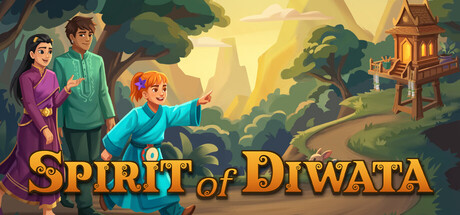
These three demos on IndiePump.space had keys waiting for creators on 20 October 2026, and two of them, Cluckopia and Spirit of Diwata, play in online co-op, which suits channels that record with friends.
Demos with keys for creators on IndiePump.space

 Demo available

After a creator says yes
- Answer fast. A question about a crash or a missing save gets a reply the same day.
- Send short build notes. How long the demo takes, the known bugs, and anything they should not miss.
- Watch the video or the VOD. The first twenty minutes of a stranger playing your game is the cheapest playtest you will get: note where they get stuck and what they skip.
- Share it. Post the video from your studio accounts and thank the creator by name.
- Keep them on the list. A creator who played your demo is the first person to tell when the release date is set.
Plan how many creators to contact, and how fast, with the free outreach pace planner.
How IndiePump can help
If you want someone to build the creator list and write the emails with you, look at our PR and email outreach service and our distribution and collaborations service, or talk to us about your launch.

For developers
Put your game in front of 300+ content creators
Every game on IndiePump.space gets a free press kit page where streamers and writers request review keys, and you decide who gets one.

Follow IndiePump